

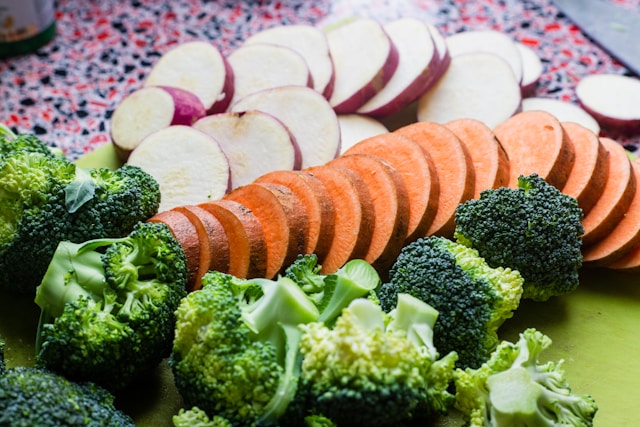
Discover what losing weight truly means and proven ways to shed pounds without dieting. Learn practical, sustainable habits for natural weight loss, energy, and better health.
Weight loss can be described as the decrease in body mass, but normally this is by decreasing fat mass. It improves health, vitality, and self-confidence. The diets and short-term solutions do not cause the actual loss of weight, but the long-term habits of sleeping more, exercising, mindful eating, and balance.
What Does “Lose Weight” Actually Mean?
Fundamentally, weight loss merely means decreased body mass. This, in the majority of cases, means reducing body fat, but weight loss may also mean loss of water weight or, in extreme cases, muscle. It is not only about numbers on a scale, as far as health is concerned. The goals of sustainable weight loss are:
- The use of surplus body fat, but retaining muscles.
- Improving the general health indicators, including blood pressure, cholesterol, and blood sugar level.
- Mental health, like being at a healthy weight, can usually increase energy and confidence.
It is also worth mentioning that not everybody has to lose weight. Having been under pressure or having body image issues occasionally, many individuals aspire to lose weight. Real health is of all shapes and sizes. Balance is the most crucial aspect; however, you must feel good within your own body, be physically active, and minimize the chances of health issues.
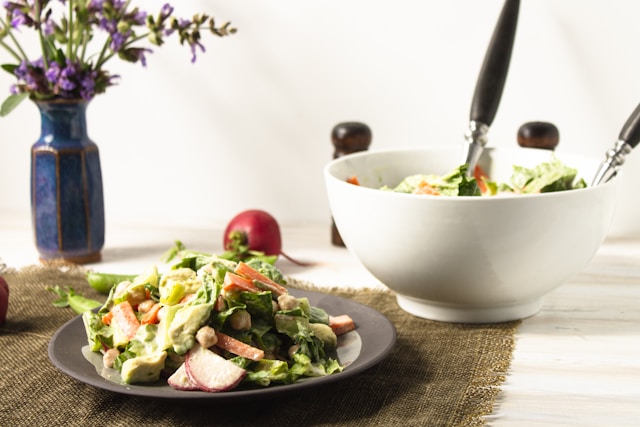
Proven Ways to Lose Weight Without Dieting
1. Get enough sleep
Sleep is sufficient to balance the hormones, reduce cravings, and boost metabolism. Factors such as insomnia increase the hunger hormone and lead to increased food intake. Target 7-9 hours a night to aid in keeping the weight in check (not dieting).
2. Eat more fiber
Fiber food will make you last longer, aid in digesting food, and decrease overeating. Vegetables, beans, fruits, and whole grains increase satiety and reduce calorie consumption and hence weight gain without starvation.
4. Eat slowly
This slowing of the time taken to eat gives your brain time to signal fullness, and you end up eating less. By thoroughly chewing, digestion is enhanced, and you take in less food and eat it more fully because natural weight loss depends on portion control as well.
5. Avoid refined carbohydrates
The pastries, sweets, and refined carbohydrates (white bread, etc.) trigger severe increases and decreases in blood sugar levels. This leads to starvation and gluttony. Whole grains will keep energy levels low and manage the appetite.
6. Drink water
Fuel is bad to be dehydrated because this will disorient him to thirst and hunger. Consumption of water before meals reduces calorie intake and has a slight effect of raising metabolism. One can easily replace water with sugary drinks as an aid to weight loss.
7. Avoid alcohol
Alcohol causes empty calories and reduces self-control over food. The alcohol intake per day reduces metabolism and is one of the contributors to fat storage. Limiting or steering clear of alcohol will cut calories and help in keeping in check a healthier weight.
8. Eat mindfully
Mindful eating is to be conscious of what one is eating and not being distracted. It elevates hunger and fullness, prevents food overconsumption, provides healthier food and food choices that are easier to regulate weight.
9. Use smaller plates
Smaller plates automatically make the portion size smaller without leaving you feeling deprived. This is a very easy trick, which makes it easier to manage the calorie intake and eat less of it, but feel satisfied in the long run.
10. Weight training
Strong exercise develops lean muscle, which is more caloric at rest. The inclusion of resistance training in a few sessions per week will enhance metabolism, body composition, as well as weight loss over time without dieting.
11. Cardio exercise
Regular exercise, when walking, riding a bike, or swimming, the exercise burns calories and makes the heart stronger and more resilient. Together with strength training, it improves fat burning and body fitness as well as weight maintenance in a natural manner.
12. Avoid added sugars
Sugar added to food is found in Sodas, desserts, and processed foods and contributes to the increased calories and fat storage. The decrease in sugar will facilitate decreasing the desire to eat, prevent diseases, and enable the individual to lose weight gradually and healthily without limitations.
Long-Term Benefits of Losing Weight Without Dieting
With habits rather than strict diets, not only will you lose weight, but you will also benefit in the long-term in ways such as:
- More energy throughout the day
- Better sleep quality
- Better heart health and reduced disease.
- Stronger muscles and bones
- Reduced stress and anxiety
- A healthier relationship with food.
Why These Habits Work Better Than Dieting
The majority of the diets revolve around restriction, avoidance of whole groups of food, or drastically reducing calories. This may result in losing weight, although it is normally temporary. Diet is discontinued, and individuals are likely to resume their previous habits and become overweight.
The habits mentioned above differ. They do not compel you to drastic regulations but rather, develop healthier habits that you can keep throughout your life. The simple modifications, such as drinking water rather than soda, acquiring adequate sleep, or increasing the consumption of fiber, will automatically decrease the calorie level of food and improve health without leaving you starved.
Why Dieting Alone Doesn’t Work for Most People
Dieting in itself is normally insufficient since it is too limiting and unsustainable. Rigid food regulations may lead to cravings, decreased metabolism, and the majority of diets do not look at other lifestyle issues, such as sleep, stress, or physical activity levels. People lose weight due to this, and long-term healthy lifestyles are thus more effective than short-term diets.

FAQs
Is skipping meals a good way to lose weight?
No. The consumption of no food will cause a reduction in metabolism and result in the consumption of excess food later. Balanced regular meals are healthier to consume.
Is exercise necessary to lose weight without dieting?
Workout is unnecessary but highly recommended. The weight loss will be aided by the strength training and cardio to increase the metabolism, burning of calories, and the well-being.
Can drinking more water really help with weight loss?
Yes. Pre-meal water may trigger a reduction in appetite, a reduction in overeating, and the replacement of high-calorie beverages. It also helps in digesting and boosts energy.
Conclusion
There is no specific diet; long-term habits are the secrets of weight loss. By having the four essential categories as far as sleep, movement, mindful eating, and balance are concerned, you not only will reduce excess fat, increase energy, and become healthier, but you will also build a healthier, sustainable lifestyle.