


Finding out what it means to eat healthily and getting practical advice to maintain a balanced and nutritious diet for every day will cost you little, yet these tips will guarantee the precious flavor.
Introduction
Properly eating by definition means the consumption of a wide range of foods into the body, so that energy can be distributed appropriately to various parts of the body for effective functioning.
It also considers macronutrients such as carbohydrates, protein, and fats; micronutrients like vitamins and minerals: these serve various purposes like synthesis of tissues, repair of broken-down tissues, sustenance of body functions, and even cases of chronic diseases such as diabetes, obesity, and cardiovascular diseases.
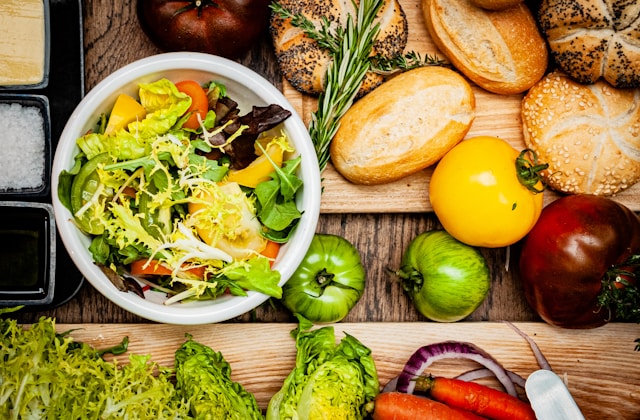
The Basics of a Healthy Diet
When one is discussing good food, it should be clear that the diet must be quite comprehensive. A balanced diet is mainly made of several foodstuffs such as:
1. Fruits and Vegetables
It forms the foundation of healthy eating. It is rich in vitamins, minerals, antioxidants, and dietary fibers. Make sure that half of what is eaten in the form of food is made up of fruits and vegetables.
2. Whole Grains
All of these really provide the B vitamins and fiber that keep your digestion in good order and regulate blood sugar levels while keeping you feeling full- brown rice, oats, quinoa, and whole wheat breads.
3. Lean Proteins
Protein is needed to develop muscles, stay immune, and provide energy. The slimmer sources will be fish, eggs, chicken, beans, lentils, and tofu. Legumes and nuts are good to use as a vegetarian.
4. Healthy Fats
Fats give power and energy to the body. Most of the fats are not good. Initiate eating monounsaturated fats; for example, using olives, avocados, nuts, and seeds. And throw out trans fats and keep saturated fats low from fried foods and processed substances.
5. Dairy or Calcium-Rich Alternatives
Great, not chic sources of calcium and vitamin D are milk, yogurt, and low-fat cheese. Use fortified plant milk unless you are lactose intolerant, such as almond or soy beverages.
6. Water
Hydration ignored. Water not only assists in digestion but also absorption of nutrients and the regulation of temperature. It should be 6-8 glasses a day, though the number is increased with activity or in hot climates.
Common Barriers to Healthy Eating
Some of the reasons why many people find it difficult to eat better include:
- High food prices
- Lack of time to cook
- Limited access to fresh produce
- Temptation from processed and fast foods
- Misinformation about what’s “healthy”
Though all these challenges are there, they can be surmounted with good planning and a lot of creativity. That is when one finds budget-friendly eating approaches.
Tips for healthy eating on a budget
Plan your meals
Get your meals planned ahead and then go shopping. A shopping list based on sales or seasonal produce would be recommended. Such planning will eliminate impulse buying and only purchase what you truly need.
Summer fruits
Some of the seasonal summer fruits are also included in the bargain price. These sweet and luscious fruits include watermelon, mango, and peach. Such fruits are less likely to be expensive, fresher, or tastier, and can either be consumed directly, frozen for smoothies, or mixed in salads for some natural sweetness.
Buy frozen or canned.
Frozen or tinned fruits or vegetables are healthy and more long-lasting. Select non-sugary and nonsalty alternatives. They are inexpensive, minimise food waste, and can be prepared in fast meals.
Reduce junk food
Reduce chips, sodas, and fast food. Purchasing these would empty your pocket very fast without filling your tummy with nutrition. Instead, you can try making some healthy snacks at home: popcorn, yogurt, or fruit.
Freeze leftovers
Don’t let food go to waste. Take additional portions in labeled containers and freeze. It saves time and money and will even allow you to enjoy ready-made healthy meals without additional efforts in the future.
Reduce meat consumption
Meat is costly; learn to eat less of it, or avoid it a couple of days a week. Use beans or eggs, or lentils instead, and be able to cover your protein requirements inexpensively.
Extend the meat in your meal. l.s
Combine stretch meat with vegetables, beans, or grains to stretch it. Such as adding lentils to ground beef or mushrooms to chicken stir-fries. You will save cash and increase nutrition.
Grow a garden
You can plant herbs, tomatoes, or leaves in a pot or a backyard. Growing your own vegetables and fruits will cut down on how much money you are spending in your local store, as you get the fresh food with the option of organic and pesticide-free food.
Shop with cash
Limit your maximum probable expenditure for a shopping trip and go with cash instead of cards. It is a reminder to be budget-conscious and prevent yourself from unnecessary spending in stores on things you do not need.
Eat more legumes
Beans, lentils, and chickpeas are protein- and fiber-rich foods that can be prepared as soups, salads, or in curries for wholesome meals that are guaranteed to be on a budget throughout the week.
The Role of Mindful Eating
Paying attention to your food, its taste, texture, and smell, and how it makes you feel when you eat mindfully, or are aware of your food, is the part that makes you forget to evaluate fullness. Then, too, knowing and appreciating all the hard work that goes into cooking healthy, affordable meals is another great benefit of mindful eating.
Tips for mindful eating:
- Eat slowly and chew thoroughly.
- Recognize when you are full.
- Be grateful for your food.

The Long-Term Benefits of Eating Healthy on a Budget
Budget-friendly healthy eating also brings with it certain lifetime health-energy-mood and less spent on health care. These encouraged disease prevention measures, weight maintenance, and long life.
The cheap, healthy food choice goes a long way to developing the habit of mindful eating so that one is assured of a good, healthy life at the end of the day without stretching one’s budget or compromising one’s lifestyle.
FAQs
Is eating healthy expensive?
Not precisely. Healthy dieting is not expensive when you make arrangements, prepare your meals, and buy what is in season or done in large quantities.
Can I eat healthy without giving up my favorite foods?
Eating is healthy, but not depriving deprived of a few specific foods. Sometimes, you may indulge in that certain food that you have secretly longed to eat; however, you may consume more healthy food on other days.
Conclusion
Eating healthy foods provides the body with nutrients that are conducive to concentration and disease resistance. Cunning, careful, seasoned shoppers who can cook sparingly will keep that individual alive on the healthy, wholesome meals of the day at an affordable cost.