

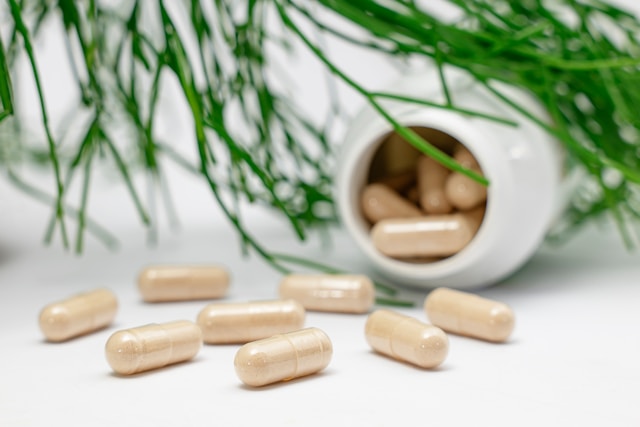
Learn about Top Vitamins and Supplements You Actually Need. Discover the essential vitamins and supplements you actually need for optimal health and wellness.
Introduction
Vitamins are organic compounds that you need in small amounts in your body to help the body conduct its business well. They assist in other body functions like metabolism, immunity, and cell development. All the vitamins are absorbed in the food, and in the case of certain situations, the body may require supplements.
Supplements refer to substances that are supposed to add to nutrients that he can not get enough of in his diet. They are available in all forms, including pills, powders, Gummies, and liquids. The supplements would either be vitamins or minerals, amino acids, herbs, or other bioactive substances.

Vitamins and Supplement Benefits
Vitamins Benefits
- Immunosys boost: Vitamins such as C, D, and A enhance the development of the immune system, immune defense against infection, as well as the general health and disease prevention.
- Bone muscle: It assists in making bones strong. Vitamin D, vitamin, and calcium are important in the preservation of bone density, prevention of fractures, bone strength, and skin and bone health throughout the lifetime.
- Help with the food-to-energy process: The B vitamins and other nutrient assets help make food into energy that is useful in helping to metabolize the brain, and general energy that is used to handle daily chores.
Supplement Benefits
- Providing missing vitamins and minerals to fill nutritional gaps: Supplements can balance nutrients and can be used to replace nutritional deficiencies when nutrients are deficient in your diet, to provide healthy body performance.
- Support overall well-being: Supplements may improve any form of general well-being by providing essential nutrients, improving energy, mental capacity, and immunity, as well as improving physical and mental health.
- Help meet daily nutrient requirements: Supplements can help supply people with the amounts of recommended daily intake of vitamins and minerals, and specifically where nutritional sources are insufficient or inconsistent.
Top Vitamins and Supplements You Actually Need
Vitamin D
Vitamin D enhances the well-being of bones, immunity, and the absorption of calcium. The light of the sun and the fortified food contribute enough to it, and it is also significant in terms of the overall well-being and the complications associated with the deficiencies.
Calcium
The calcium makes bones and teeth tough and assists in tightening the muscles and in transmitting the nerve impulse. One of the primary considerations in life is a healthy intake to minimize the risk of osteoporosis to preserve the overall health of the skeleton.
Folate
During pregnancy, vitamin B9 (folate) is essential as it aids in the development of the cells, the duplication of DNA, and the development of the unborn baby. It not only gets rid of birth defects but also promotes the health of the heart and brain.
Vitamin C
Vitamin C is a great antioxidant, collagen-forming supplement, and immunobooster. It is also helping to absorb iron in the body, preventing oxidative stress and cell damage by free radicals.
Probiotics
The probiotics, which can maintain the health of the gut, assist in the process of digestion, and improve the immune system, are the good forms of bacteria. The consistent intake will raise the nutrient intake and reduce gastrointestinal issues like constipation and bloating.
Fish Oil
Oil of fish is abundant with omega-3 fatty acids that lower the level of inflammation as well as keep the heart normal, and improve the brain and joints in the body. It can also help to reduce the level of triglycerides.
Potassium
Potassium controls the fluid pressure in the body, nerve conduction, and fetal contractions. An adequate one will reduce blood pressure, healthy heart health, and eliminate cramps and electrolyte imbalances.
Ashwagandha
Ashwagandha is an adaptogenic herb that lowers stress levels, improves sleep, energy, and thinking. It can also aid hormonal equilibrium and health.
Collagen
Collagen is a structural protein that assists in the elasticity of tissues, joints, hair, and nails. It can also reduce wrinkles, increase joint flexibility, and also in the healing of injuries with the help of supplementation.
Iodine
Thyroid hormones require the generation of iodine, and these hormones regulate metabolism, energy, and growth. Deficiency of it can lead to goiter, tiredness, and pregnancy developmental issues.
Who Should Be Taking Vitamins and Supplements?
1. Pregnant or Breastfeeding Individuals
Certain nutrients are drained through urine during pregnancy and breastfeeding, folic acid, iron, and vitamin D, which are essential for the preterm growth and subsequent development of the child, so they can also be supplemented in the mother’s diet for her health.
2. Those with Restrictive Diets
Restricting certain foods, such as in vegetarianism and veganism, leaves these persons devoid of some essential vitamins, such as B12, iron, calcium, and omega-3, thereby worsening their already existing condition. Nutritional intervention and a favorable health environment can help eradicate this deficiency
3. Older Adults
Aging may cause decreased nutrient absorption and a higher demand on such as B12, D, and calcium. Supplements in the instance of the elderly are useful in preserving bone density, mental abilities, and immune performance.
4. People with Malabsorption Conditions
In diseases such as celiac disease, Crohn’s pancreatic insufficiency, the absorption of nutrients is inhibited. Supplementation is suitable as it will ensure that the body functions we, ll as it will ensure that the body is getting the right quantities of vitamins, minerals, and other nutrients.
5. Those with Specific Chronic Illnesses
These are chronic diseases which may interfere with the metabolism of nutrients, e.g., Kidney disease, diabetes,,e s among others. The deficiencies can be addressed by giving special supplementation to support the immune system and general health.

FAQs
Can I get all vitamins from food alone?
No, the majority of the nutrients can be received with the help of a wide range of meals which involve fruits and vegetables, low-protein sources, and whole grains. The main aim of supplements is to meet the gaps or requirements.s
Do I need supplements if I eat a balanced diet?
Not always. Eating a lot of fruits and vegetables, eating whole grains, and proteins will make you perhaps nutrient-sufficient when you diet. The main purpose of using supplements is to complete or address special needs.
How do I choose the right supplement?
Find quality brands that hthird-partyarty testing. Consider your nutrition, age, and special health needs. The visit to a medical expert may also assist in determining what is required.
Conclusion
Supplements and vitamins help in achieving holistic well-being since they complement what you consume, improve immunity, vitality, bones, and brain well-being. It is possible that a healthy meal can satisfy all the nutritional requirements, yet in other cases, certain nutrients can be absorbed adequately due to some preconditions, the period of our life, or our health status.